Trusted Crawl Space Cleanup Fairfield CT for Residential Properties
Thorough Mold Remediation Programs: Mitigate Risks and Restore Safety
Mold can pose major health threats and compromise the safety of any residence. Thorough mold remediation services handle these issues by locating sources, limiting spread, and removing affected materials. Understanding the signs of mold, the dangers it poses, and the remediation process is essential for homeowners. As the challenges of mold removal become apparent, it becomes clear that a preventive approach is necessary for long-term safety and well-being. What steps should one take next?
Indicators You Possess a Mold Problem
How can someone detect mold in their surroundings? Identifying signs of mold is important for keeping a clean space. Commonly, visible mold growth is found on walls, ceilings, and damp spots, serving as a primary indicator. Water stains or discoloration might also reveal hidden mold behind surfaces. Even without immediate visibility, a musty smell may signal mold presence. Moreover, higher humidity levels within a home, particularly above 60%, can foster an environment suitable for mold growth. Additional signs include peeling paint or wallpaper and respiratory issues among residents, which may point to a mold problem. Staying alert is necessary because prompt detection can prevent further spread and complications. Frequent inspections, particularly in moisture-prone locations like bathrooms and basements, help ensure a safe and healthy home. Recognizing these signs is the initial step in effectively managing potential mold problems.
Understanding the Dangers of Mold Contact
Mold exposure creates significant health risks that can impact people in various ways. Breathing in of mold spores can cause respiratory issues, including asthma and allergic reactions, particularly in sensitive populations such as children and the elderly. Symptoms often present with coughing, sneezing, and skin reactions, which can escalate with extended exposure.
Certain mold types create mycotoxins, which can have more severe effects, such as neurological symptoms and immune suppression. People with pre-existing conditions may experience exacerbated health issues, making it essential to resolve mold problems without delay.
Furthermore, the mental effect of residing in mold-infested spaces can contribute to tension and worry. Understanding these risks highlights the significance of recognizing and tackling mold development to preserve a secure and wholesome home. Knowledge of the hazards linked to mold exposure is essential for promoting overall well-being and avoiding lasting medical issues.

Steps to Take When You Detect Mold
Upon spotting mold in a living space, prompt action is essential to prevent ongoing expansion and minimize health risks. The first step involves evaluating the extent of the mold problem. Individuals should look for visible mold and any damp areas that may promote growth. It is vital to steer clear of touching the mold, as this can release spores into the air.
The source of moisture must be identified and addressed first, be it a leak or high humidity. Ensuring adequate ventilation in the impacted space will assist in lowering moisture content. Personal protective equipment, including gloves and masks, should be used to minimize exposure during any handling.
If the fungal contamination covers a contained area, one may be able to clean it with correct cleaning solutions. However, for larger infestations, obtaining professional help is advised. Prompt and effective measures can noticeably reduce health risks associated with mold exposure.
The Mold Removal Procedure Explained
An successful mold removal requires a systematic approach to ensure total elimination and prevention of subsequent mold development. The procedure usually starts with a comprehensive examination to locate mold sources and evaluate the extent of contamination. Professionals employ advanced tools to identify hidden mold and water sources, ensuring a complete assessment.
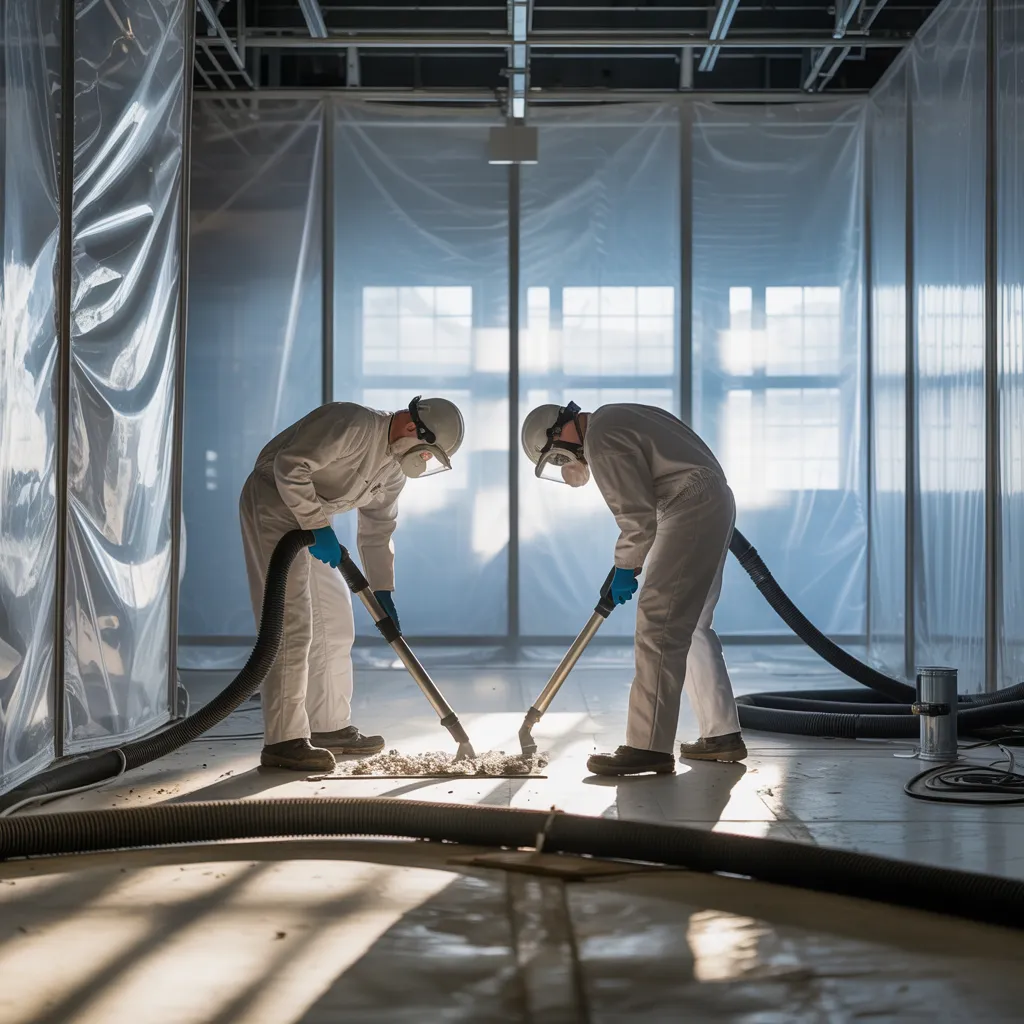
Once detected, containment protocols are put in place to stop the distribution of spores during removal. The next phase includes the careful extraction of affected materials, such as drywall or insulation, followed by cleaning and disinfection of surfaces.
After removal, the area is completely dried to remove moisture, which is crucial for avoiding future mold growth. Finally, a post-treatment evaluation confirms that the mold has been effectively eliminated and that the environment is safe. This careful procedure not only addresses existing mold issues but also establishes safeguards against future infestations, guaranteeing long-term safety in the affected space.
Innovative Mold Elimination Methods
Innovative mold removal techniques are transforming the remediation landscape. Advanced detection methods enhance prompt recognition, while eco-friendly solutions emphasize wellness and environmental responsibility. Additionally, state-of-the-art isolation techniques guarantee successful separation of fungal growth, reducing contamination during the restoration procedure.
Progressive Detection Methods
Although mold can frequently flourish in hidden areas, sophisticated identification techniques have emerged to detect its presence more precisely and effectively. Methods such as infrared thermography allow experts to observe thermal differences, indicating moisture buildup where mold could grow. Furthermore, moisture meters assess the humidity levels inside walls and ceilings, pinpointing potential infestations. Airborne particle analysis can examine airborne spores, delivering crucial data on mold levels and varieties present. Moreover, flexible scope cameras facilitate inspections in tight areas, uncovering concealed mold development without intrusive methods. These innovative techniques improve the assessment of mold issues, enabling prompt and efficient remediation efforts to protect health and property. By utilizing these sophisticated techniques, mold professionals can guarantee a comprehensive strategy to mold identification.
Sustainable Remedies
Advanced recognition methods have paved the way for more productive mold remediation strategies. In recent years, green methods have come forward as new alternatives to traditional mold removal techniques. These eco-conscious practices prioritize the use of safe, biodegradable agents that effectively eliminate mold without exposing hazards to human health or the environment. Procedures such as steam cleaning and the application of plant-based antimicrobials, like tea tree oil and vinegar, have increased in use. Additionally, ozone treatment and ultraviolet light are commonly employed, providing powerful mold eradication while minimizing chemical exposure. As awareness about environmental impacts develops, these eco-friendly solutions not only assure thorough mold removal but also encourage safer living spaces, indicating a commitment to both health and sustainability.
Cutting-Edge Control Strategies
As mold remediation methods advance, robust containment approaches have become essential for minimizing contamination spread during the remediation procedure. Advanced isolation techniques employ protective barriers, such as double-layered plastic barriers, to separate affected areas. Negative air pressure equipment are deployed to guarantee that airborne particles do not leak into unaffected spaces, while HEPA filters capture microscopic particles. Additionally, advanced monitoring systems provide immediate assessments of air quality, enabling teams to modify containment measures as needed. These cutting-edge strategies not only enhance protection for occupants but also optimize the remediation process, guaranteeing thorough elimination of mold while reducing the risk of recurrence. By integrating these advanced containment methods, professionals can achieve more effective and lasting results in mold remediation.
Picking the Right Mold Remediation Service
How can property owners guarantee they select a effective mold removal company? The process starts with comprehensive investigation. Property owners should locate firms with credentials from established bodies, ensuring they adhere to professional guidelines. Reading customer reviews and testimonials can provide insights into a firm's trustworthiness and effectiveness.
It is important to obtain comprehensive quotes and comprehend the methods proposed for restoration. An effective service will describe their strategy, encompassing isolation, extraction, and testing after remediation. Transparency concerning the materials and equipment used is also important.
Furthermore, property owners should inquire regarding warranties or guarantees, which can demonstrate the provider's trust in their work. Finally, confirming insurance protection safeguards homeowners from potential liabilities during the removal process. By adhering to these guidelines, property owners can decide with confidence, minimizing the likelihood of choosing an inadequate mold remediation service and ensuring a safer living environment.
Methods to Prevent Mold From Returning
To stop mold from coming back, it is essential to regulate humidity levels, as surplus humidity fosters growth. strengthening ventilation systems can amplify ventilation, additionally lowering the likelihood of mold development. Furthermore, implementing regular inspection practices enables early detection and control of potential issues.
Manage Moisture Levels
Regulating moisture amounts is vital for stopping mold from returning in areas previously affected. Keeping indoor humidity between 30% and 50% significantly lowers the risk of mold proliferation. To meet this objective, individuals are suggested to use moisture control devices, especially in wet spaces like basements and bathrooms. Frequently assessing humidity levels with a hygrometer can supply practical guidance. Furthermore, swiftly fixing moisture penetration and leaks is crucial; any water should be quickly eliminated to stop mold recurrence. Homeowners should also explore using moisture-absorbing products, such as silica gel, in closed spaces. By proactively controlling humidity, individuals can establish a space resistant to mold, providing a healthier home environment for everyone.
Optimize Air Movement Systems
Effective ventilation systems play a key role in keeping mold from returning in homes. Proper air movement prevents moisture buildup, a key factor in mold growth. Homeowners should examine existing ventilation, guaranteeing that areas like attics, basements, and bathrooms are adequately ventilated. Installing exhaust fans in high-moisture areas helps displace damp air, while vents support fresh air circulation. Additionally, using energy recovery ventilators can improve indoor air quality by expert tips exchanging stale air for fresh air without losing heating or cooling energy. Sealing gaps in windows and doors can also improve overall airflow. Regular maintenance of HVAC systems, including changing filters, is vital to secure optimal operation and reduce the likelihood of mold returning.
Periodic inspection protocols
While homeowners may focus on remediation after mold is discovered, regular inspection practices are vital for preventing its return. Regular checks should be carried out in areas vulnerable to moisture, such as basements, bathrooms, and kitchens. Homeowners are urged to check for clear indicators of mold, water leaks, and humidity levels. Additionally, overseeing air quality systems can help identify emerging problems before they intensify. Retaining an expert team for annual inspections can deliver a detailed evaluation and expert recommendations. Establishing a schedule for these inspections fosters early detection and facilitates proactive measures. By valuing regular inspections, homeowners can greatly reduce the risk of mold reoccurrence, ensuring a safer living environment. Consistent vigilance is key to ongoing mold prevention.
Frequently Requested Questions
How Much Will You Pay for Mold Removal Work?
Mold removal generally costs between $500 and $6,000, contingent upon the degree of the contamination, location, and exact services demanded. Factors like square footage and water content also impact the overall rates.
Can I remain in My Home During remediation?
During mold remediation, it's generally advised to vacate the home, particularly if substantial mold growth exists. However, some minor projects may allow occupants to stay, contingent upon protective precautions and the extent of the mold problem.
How much time Does the Mold Removal Process Take?
Mold removal generally requires anywhere from a few days to multiple weeks, and the timeframe of this procedure relies on the severity of the infestation, the area of the impacted space, and the methods employed for treatment.
Is it Required to Replace My Furnishings Due to Mold Contact?
Following exposure to mold, whether to replace furniture depends on the extent of contamination. Non-porous items can often be cleaned, whereas porous substances, such as cushioned furniture, may require being replaced to ensure safety and stop future mold growth.
Is Mold Abatement Protected by Homeowner's Coverage?
Mold removal protection varies by homeowners insurance plan. Typically, if mold stems from a included risk, such as water damage, it may be included. Policyholders should review their specific terms and consult their insurance provider for guidance.